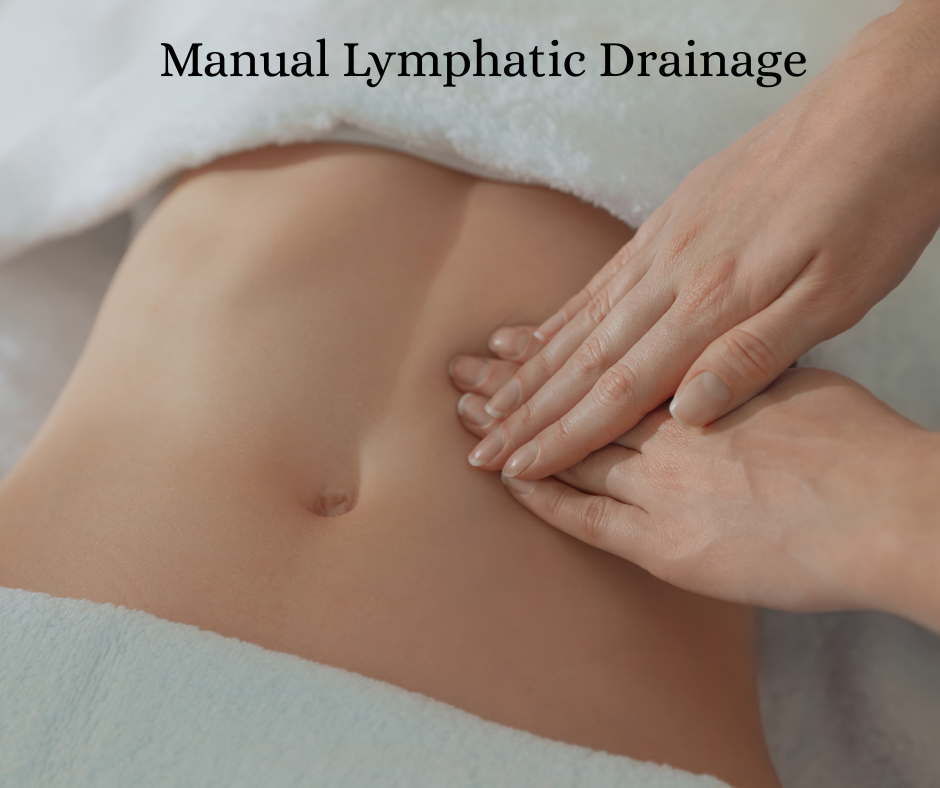
 If you’re planning liposuction, a tummy tuck, a BBL, or any other cosmetic procedure, you’ve probably read a lot about the surgery itself — but not much about what happens in the weeks after. That’s where manual lymphatic drainage (MLD) comes in, and it’s quickly becoming one of the most searched-for recovery topics among cosmetic surgery patients.
At SureCure Physical Therapy & Wellness in Carrollton, we work with patients recovering from cosmetic procedures every week. The question we hear most often isn’t “will I need MLD” — it’s “why didn’t anyone tell me about this sooner?”
Here’s what manual lymphatic drainage actually does, why your surgeon likely recommends it, and what a realistic recovery timeline looks like.
What Is Manual Lymphatic Drainage?
Manual lymphatic drainage is a gentle, hands-on massage technique designed to move excess fluid out of your tissues and back into your lymphatic system, where your body can process and eliminate it. Unlike a deep-tissue massage, MLD uses light, rhythmic strokes that follow the natural direction of lymph flow — it’s not about working out knots, it’s about clearing traffic.
When you have cosmetic surgery, your body’s normal fluid drainage pathways get disrupted. Swelling, fluid pooling, and even areas of firm, rope-like tissue (called fibrosis) are the result. MLD helps your lymphatic system do the job it can’t fully do on its own right after surgery.
Why MLD Matters After Cosmetic Surgery
Whether you’ve had liposuction, a tummy tuck (abdominoplasty), a Brazilian Butt Lift, or a breast procedure, your body goes through a similar recovery process: inflammation, fluid buildup, and tissue reorganization as it heals. Left alone, that process is slower and more uncomfortable than it needs to be.
Reduces swelling and bruising. Post-surgical swelling isn’t just uncomfortable — it can also delay how quickly you see your results. MLD helps move that trapped fluid out faster, which is why most surgeons recommend starting sessions within days of your procedure.
Lowers the risk of fibrosis. Fibrosis — hard, uneven, or lumpy tissue under the skin — happens when fluid and healing tissue don’t drain properly and instead harden in place. It’s one of the more frustrating complications patients deal with months after surgery, and it’s largely preventable with consistent early lymphatic work.
Improves scar quality. By keeping tissue mobile and reducing the tension that comes with swelling, MLD supports smoother, flatter scar healing.
Speeds up your visible results. A lot of the “I don’t see a difference yet” frustration after lipo or a tummy tuck is actually swelling masking your new contour. Clearing that fluid reveals your results sooner.
Supports comfort and mobility. Reduced swelling means less tightness and pulling, which makes it easier to move, sleep, and get back to daily activities.
When Should You Start MLD?
Most cosmetic surgeons recommend beginning manual lymphatic drainage within the first few days after surgery, once you’re cleared by your surgical team. Getting ahead of swelling early is far more effective than trying to reduce it after it’s already set in.
A typical protocol looks like:
- Weeks 1–4: 2–3 sessions per week, when swelling and fluid buildup are at their peak
- Weeks 4–8: Sessions gradually taper as swelling decreases and tissue stabilizes
- Beyond 8 weeks: Occasional sessions as needed, particularly if you notice firm or uneven areas forming
Every recovery is different — your surgeon’s post-op protocol and how your body responds both play a role in the exact schedule. What matters most is starting early and staying consistent through the first month, which is when the bulk of the fluid work happens.
What to Expect in an MLD Session
If you’ve never had lymphatic drainage before, the light pressure can be surprising — patients often expect it to feel like a deep massage and are relieved to find it’s gentle and relaxing instead. A licensed therapist uses specific, directional strokes tailored to your surgical area, working in the sequence that matches how your lymphatic system naturally drains.
Sessions are typically comfortable, and many patients look forward to them as part of their recovery routine rather than dreading them. You should always let your therapist know exactly which procedure you had and where any incisions or areas of numbness are, so the session can be adjusted accordingly.
Common Recovery Concerns MLD Can Help With
- “My swelling isn’t going down.” Especially past the two-week mark, ongoing swelling is one of the clearest signs that more active lymphatic support would help.
- “I have hard, lumpy areas under my skin.” This is often early-stage fibrosis, and it responds well to consistent manual therapy — the earlier you address it, the easier it is to resolve.
- “I don’t feel like I’m seeing my results yet.” In many cases, this is fluid retention, not your actual final shape. MLD is often the missing piece between “healing” and “seeing your results.”
- “I’m having trouble with numbness or tightness.” Both are common after cosmetic procedures and often improve as fluid clears and tissue mobility returns.
Why Choose a Physical Therapy Clinic for MLD
Not all lymphatic drainage is created equal. At SureCure, MLD is performed by trained clinicians who understand musculoskeletal healing, not just a general spa-style massage. That matters because post-surgical tissue needs a careful, informed touch — too much pressure too soon can actually aggravate swelling or disrupt healing.
Our MLD After Cosmetic Surgery program is built specifically around post-surgical recovery timelines, working alongside your surgeon’s aftercare instructions rather than in place of them.
If you’re also dealing with muscle tightness or trigger points as your body compensates during recovery, treatments like dry needling or MPS therapy can complement your lymphatic work — all without medication or additional procedures.
A Faster, More Comfortable Recovery Is Within Reach
Cosmetic surgery is a significant investment in yourself, and the recovery phase deserves just as much attention as the procedure itself. Manual lymphatic drainage isn’t a luxury add-on — for most patients, it’s a core part of healing well, avoiding complications, and actually seeing the results you paid for.
If you’re preparing for surgery or already in recovery and dealing with swelling, tightness, or uneven healing, we’d love to help.
Book a consultation with SureCure Physical Therapy & Wellness in Carrollton and let’s build a recovery plan that gets you back to feeling like yourself — faster and more comfortably.