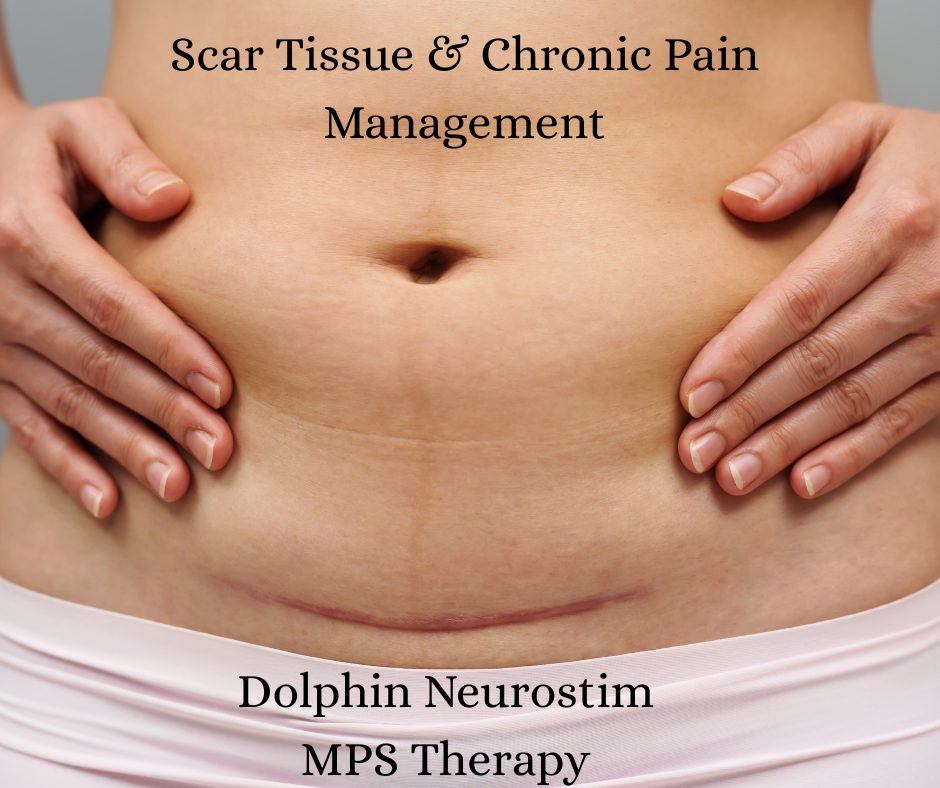
 If you’ve had surgery, a serious injury, or you’ve been living with pain that just won’t quit, you’ve probably tried the usual list: rest, ice, stretching, maybe a round of pain medication that only takes the edge off. MPS therapy — Micro-Point Stimulation, sometimes called Micro-Point Current — is one of the more overlooked tools for these exact situations, and it’s gaining attention for a good reason: it works directly on your body’s own electrical healing signals.
At SureCure Physical Therapy & Wellness in Carrollton, MPS therapy is one of our core non-surgical, non-medication treatments. Here’s what it actually is, how it works, and who tends to benefit most.
What Is MPS Therapy?
MPS therapy uses an extremely low-level electrical current — measured in microamperes, roughly 1,000 times weaker than the currents used in a standard TENS unit — delivered through a small, handheld, pen-like device. The current is applied precisely to trigger points, acupuncture points, and scar tissue.
The key difference between MPS and something like a TENS unit comes down to the type of current and what it’s actually doing. TENS uses a stronger alternating current mainly to interrupt pain signals — it masks discomfort while it’s on. MPS uses a very gentle direct current designed to mimic your body’s own natural bioelectric signals, working at the cellular level to support actual tissue repair rather than just blocking pain temporarily.
At SureCure, we use the Dolphin Neurostim device to deliver MPS treatments — a purpose-built microcurrent system designed specifically for point stimulation and scar tissue work.
How MPS Therapy Works
It sounds almost too simple — a small device touching specific points on your skin — but the effects happen on several levels at once:
It boosts your cells’ energy production. Every cell in your body relies on ATP (adenosine triphosphate) as its energy currency for repair and regeneration. Research on microcurrent stimulation has shown it can significantly increase ATP production, essentially giving your cells more fuel to do the work of healing.
It calms an overactive nervous system. Chronic pain often comes with a nervous system that’s stuck in a heightened, defensive state. MPS therapy helps shift your body out of that “fight-or-flight” pattern and toward the calmer, restorative state where healing actually happens.
It triggers natural pain relief. MPS stimulates the release of your body’s own endorphins — the same natural pain-relieving chemicals your body produces during exercise — without any of the side effects that come with pain medication.
It softens and remodels scar tissue. This is where MPS really stands apart. By applying alternating polarity through scarred or adhered tissue, MPS encourages collagen fibers to reorganize and adhesions to loosen, which is a major reason it’s so effective for post-surgical and post-injury scars.
It improves circulation. Better blood flow and lymphatic movement mean more oxygen and nutrients reaching the tissue that needs to heal, and more efficient clearing of inflammatory buildup.
What Conditions Can MPS Therapy Help With?
MPS therapy has a wide range of applications, especially for pain that has stuck around longer than it should. Common reasons patients come in for MPS include:
- Chronic lower back pain
- Post-surgical scar tissue (C-sections, abdominal surgery, orthopedic procedures)
- Trauma-related scarring and adhesions that restrict movement
- Fibromyalgia and widespread muscular pain
- Headaches and migraines
- Arthritis and joint pain
- Plantar fasciitis and carpal tunnel symptoms
- Nerve-related pain, including sciatica
If you’ve been told a scar is “just cosmetic” but it still feels tight, numb, or painful when you move a certain way, that’s often a strong candidate for MPS.
Does MPS Therapy Hurt?
This is one of the most common questions we get, and the honest answer is: it shouldn’t. Most patients describe MPS as a mild tingling or warming sensation at most, and many find it genuinely relaxing rather than uncomfortable. Because the current is so low, it’s a far gentler experience than people expect walking in.
How Long Do the Results Last?
This depends on how long you’ve had the pain or scar tissue, and how your body responds. Some patients notice a meaningful reduction in pain within a single session, particularly with scar-related pain, while more entrenched chronic pain typically improves gradually over a short series of sessions. Your therapist will build a plan based on what you’re dealing with rather than a one-size-fits-all number of visits.
Why Choose MPS Over Medication or Surgery
If you’re trying to avoid long-term pain medication or you’re not a candidate for (or simply want to avoid) surgery, MPS therapy offers a genuine alternative path — not a temporary workaround, but a treatment aimed at the underlying tissue and nervous system patterns driving your pain.
It also pairs well with other non-surgical treatments we offer. If your pain involves specific muscle trigger points, dry needling can work alongside MPS for faster relief. If you’re dealing with tendon or soft-tissue injuries, shockwave therapy is another option worth discussing with your therapist. And if you’re recovering from a cosmetic procedure with swelling or scarring, MLD after cosmetic surgery can complement the tissue-remodeling work MPS does.
Ready to Address Your Pain at the Source?
Whether you’re dealing with an old surgical scar that never quite settled, chronic pain that’s resisted everything else you’ve tried, or you simply want a drug-free way to manage your recovery, MPS therapy is worth a conversation.
Book a consultation with SureCure Physical Therapy & Wellness in Carrollton and let’s find out if MPS therapy is the missing piece in your pain relief plan.